
Commercial Basement Waterproofing in Wilmington, DE: Expert Solutions to Safeguard Your Business
Commercial basement waterproofing services in Wilmington are crucial for protecting your investment by preventing water intrusion that can lead to structural damage, mold growth, and costly operational downtime. We understand that commercial properties face unique below-grade challenges—from significant hydrostatic pressure to foundation cracks—and we provide customized solutions backed by our local expertise. In this guide, we’ll cover the common causes of water damage, explore comprehensive waterproofing methods, break down project costs and long-term savings, highlight why our Wilmington team is the premier choice, review top drainage systems, outline preventative maintenance services, and share real client success stories. By the end, you’ll be well-equipped to secure a dry, healthy, and code-compliant commercial basement with our proven approach. Our basement waterproofing Wilmington DE team offers comprehensive basement waterproofing solutions designed to protect your business.
Common Causes of Water Damage in Commercial Basements
Water damage in commercial basements occurs when hydrostatic pressure, foundation cracks, inadequate surface and subsurface drainage, or elevated moisture levels allow water to seep in, compromising concrete integrity and indoor air quality. Identifying these triggers is the essential first step toward targeted protection and lasting resilience. Our foundation repair solutions address the root causes of water intrusion.
Here’s an overview of the primary factors contributing to commercial basement leaks in Wilmington:
How Hydrostatic Pressure Affects Commercial Foundations
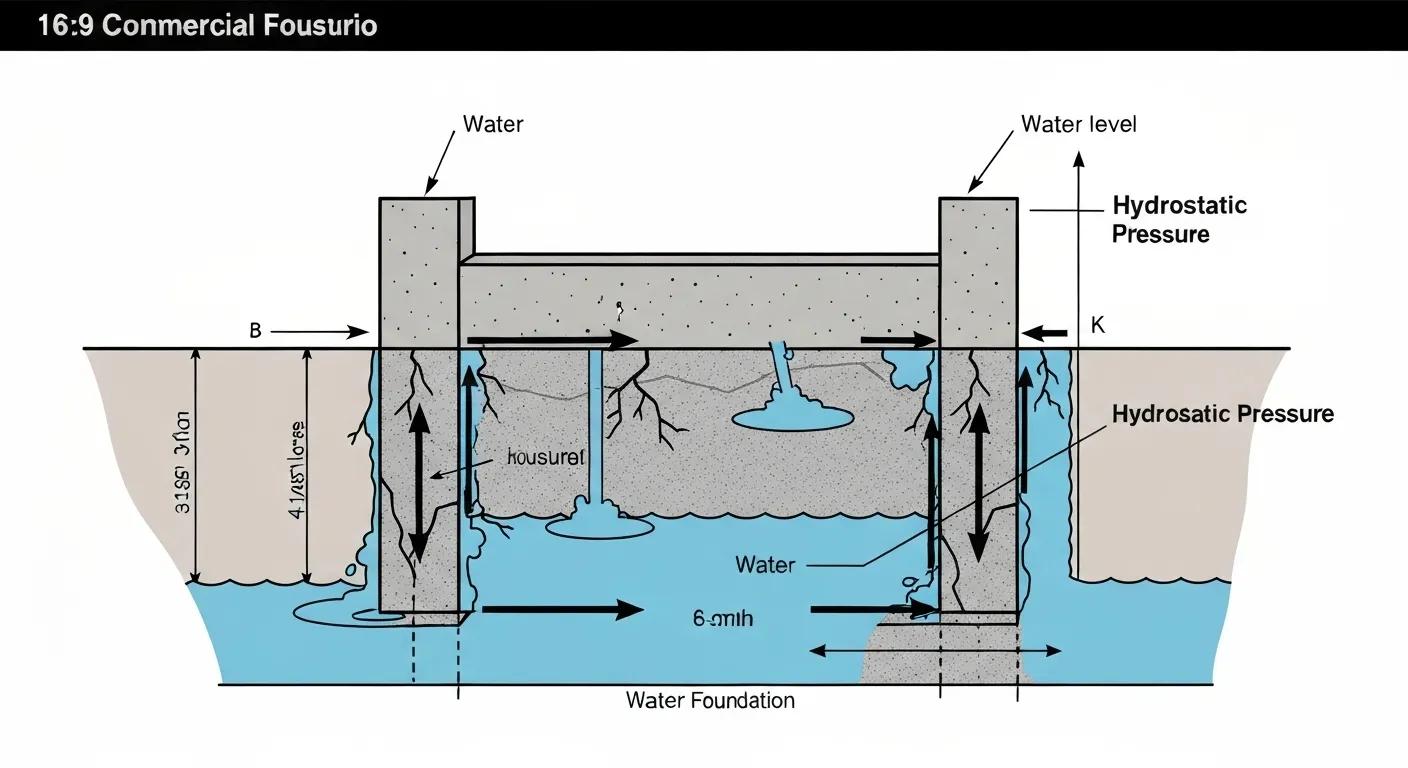
Hydrostatic pressure builds when groundwater saturates the soil surrounding foundation walls, exerting inward force against below-grade structures and driving moisture through even microscopic fissures. This constant lateral pressure can deform concrete panels and accelerate water intrusion, ultimately weakening load-bearing capacity and promoting mold growth. Addressing hydrostatic pressure promptly is key to preventing progressive wall movement and avoiding expensive structural repairs, ensuring stable support for your commercial building. We provide expert foundation solutions to combat these pressures.
The Role of Foundation Cracks and Structural Issues in Water Intrusion
Foundation cracks develop due to factors like soil settlement, freeze-thaw cycles, or chemical reactions within the concrete, creating direct channels for water entry. Even minor hairline cracks can admit substantial moisture under pressure, leading to localized dampness and corrosion of embedded steel reinforcement. Repairing these cracks with methods like epoxy injection or polyurethane foam effectively seals these pathways, restores structural integrity, and halts leaks before they escalate into more severe foundation problems. Our basement crack repair services are designed for lasting protection.
How Poor Drainage Contributes to Commercial Basement Leaks
Inadequate surface grading or malfunctioning perimeter drainage systems can cause rainwater and surface runoff to accumulate at the base of the foundation. When water remains standing against foundation walls, it can penetrate masonry joints and flow under slab edges, increasing indoor humidity levels and creating puddles. Properly directing runoff through correctly sloped landscaping, french drains, or interior drainage channels diverts water away from the structure, maintaining a dry building envelope and protecting your operations from potential flooding.
Mold Growth Concerns in Commercial Basements
Mold thrives in damp, poorly ventilated environments, releasing spores that can compromise indoor air quality and lead to health issues for occupants. Commercial spaces are particularly susceptible when high humidity interacts with organic materials like stored goods or wooden structural elements. Implementing effective moisture control measures—such as dehumidifiers, vapor barriers, and encapsulation—is essential to halt fungal proliferation, ensure compliance with health regulations, and preserve the longevity of your property. Our crawl space services also address moisture control in these critical areas.
Comprehensive Waterproofing Solutions for Commercial Buildings in Wilmington
Commercial waterproofing involves a combination of strategies—including interior drainage systems, exterior membranes, crawl space encapsulation, and foundation stabilization—to create a robust, complete moisture barrier. These integrated methods work synergistically to block water intrusion, relieve hydrostatic pressure, and maintain an optimally dry environment essential for uninterrupted business operations. We offer a full suite of basement systems to keep your property dry.
The following table compares key solution categories and their specific roles in protecting commercial basements:
How Interior Drainage Systems and Sump Pumps Prevent Water Damage

Interior drainage systems utilize perforated pipes installed along the foundation footing to capture groundwater that infiltrates beneath the basement slab. This collected water is then directed to a sump pit, where a submersible sump pump efficiently ejects it to an exterior discharge point, effectively interrupting the moisture cycle before it can affect occupied spaces. This system ensures rapid removal of seepage, significantly reduces hydrostatic pressure buildup, and protects flooring and stored inventory from moisture damage.
Exterior Waterproofing Methods Protecting Commercial Foundations
Exterior waterproofing involves applying specialized membranes—such as bentonite panels, rubberized asphalt coatings, or liquid-applied elastomeric barriers—to the outer surfaces of foundation walls. These advanced materials bond securely to concrete, forming a continuous, seamless shield that prevents capillary water absorption and external moisture penetration. When combined with exterior french drains and proper backfill grading, these membranes provide a comprehensive defense against both groundwater and surface runoff. Our basement waterproofing Wilmington DE contractors are skilled in applying these advanced exterior methods.
How Crawl Space Encapsulation Improves Moisture Control and Air Quality
Crawl space encapsulation involves installing robust vapor barriers over the soil surfaces and sealing wall joints with waterproof coatings. Integrated dehumidifiers maintain relative humidity levels below 50%, while sealed vents prevent the infiltration of unconditioned outdoor air. This controlled environment effectively inhibits mold growth, reduces indoor allergens, and improves energy efficiency by preventing the loss of conditioned air, directly contributing to tenant comfort and lower operational costs.
Commercial Foundation Repair and Stabilization Techniques
When foundations exhibit signs of settlement, bowing walls, or significant cracking, techniques such as underpinning with helical piers, hydraulic pilings, or concrete micro-piles may be employed to restore their load-bearing capacity. Epoxy crack injection and carbon fiber reinforcement are then used to seal fissures and strengthen wall panels against future stress. Collectively, these stabilization methods reinforce your property’s structural integrity and extend the effective lifespan of waterproofing installations. We are experts in basement wall repair and stabilization.
Commercial Basement Waterproofing Costs in Wilmington, DE
Commercial basement waterproofing costs in Wilmington typically range from $2,100 to $8,400, with the final price influenced by project scope, complexity, and the specific materials chosen. Understanding these cost factors and the potential for long-term savings will help business owners budget effectively and maximize their return on investment. Our foundation repair services are competitively priced to offer excellent value.
Key factors influencing project costs include:
- Basement Size and Layout – Larger floor plans and multi-level subgrade areas naturally increase material and labor requirements.
- Water Table Depth – Properties situated in areas with high groundwater levels necessitate more extensive drainage and sealing measures.
- Foundation Condition – Existing cracks, structural damage, or efflorescence may require additional repair and stabilization work.
- Material Selection – Opting for premium membranes, high-capacity pumps, and specialized coatings may involve higher upfront costs but typically offer enhanced durability and performance.
Factors Influencing the Cost of Commercial Waterproofing Services
The overall cost of commercial waterproofing services is determined by several factors, including the project’s size, the chosen waterproofing methods, local soil conditions, any necessary structural repairs, and site accessibility. For instance, installing an interior drainage system with sump pumps on a standard concrete slab might start around $8 per square foot, whereas exterior membrane application on deep foundations, including excavation and backfill, could increase to $20 or more per square foot.
How Investing in Waterproofing Saves Money Long-Term
Effective waterproofing significantly reduces the likelihood of costly structural repairs, expensive mold remediation, inventory loss due to water damage, and business interruptions. By maintaining a consistently dry basement, companies can avoid downtime and protect sensitive equipment and inventory. Over a typical decade, the investment in preventative waterproofing often amounts to a small fraction of the potential costs associated with repairs and restoration, delivering a quantifiable return on investment through uninterrupted operations and reduced long-term maintenance expenses.
Maintenance Plans to Reduce Future Waterproofing Expenses
Regular maintenance plans are designed to preserve the optimal performance of waterproofing systems, detect potential issues early, and ensure warranty compliance. A structured schedule of assessments and servicing tasks is crucial for extending the lifespan of your moisture barriers and drainage equipment. Tailored maintenance contracts can lead to annual cost savings of up to 30% compared to relying solely on unscheduled emergency repairs.
Choosing Our Wilmington Experts for Commercial Basement Waterproofing
Partnering with a local specialist ensures that your waterproofing solutions are precisely tailored to Wilmington’s specific soil composition, seasonal rainfall patterns, and relevant municipal building codes. Our experienced WDM Basement Waterproofing team combines extensive regional knowledge with cutting-edge technology to deliver dependable, code-compliant basement waterproofing Wilmington DE solutions that minimize disruption and maximize long-term durability. We are your trusted local waterproofing contractors.
How Local Wilmington Climate Expertise Improves Waterproofing Results
Wilmington’s prevalent clay soils and susceptibility to periodic heavy rainfall demand carefully engineered drainage designs and appropriate membrane selections. Our technicians utilize local climate data to determine optimal installation depths, select material formulations with excellent low-temperature flexibility, and implement surface grading plans that effectively channel runoff, ensuring long-lasting moisture control for your property.
Advanced Waterproofing Technologies and Materials We Use
We utilize high-performance polyurethane membranes, self-healing elastomeric sealants, and corrosion-resistant stainless steel drainage channels. Our advanced systems include smart-monitoring sump pumps equipped with backup power and remote alerts to guarantee continuous operation, alongside eco-friendly coatings designed to minimize volatile organic compound emissions within enclosed commercial spaces.
Managing Commercial Projects to Minimize Business Disruption
Our meticulous project management protocol includes carefully planned phased work schedules, the option for off-hours installation of pumping systems, and the implementation of protective barriers to clearly delineate work zones from active business areas. Real-time progress updates and a dedicated commercial liaison ensure seamless coordination throughout the project, allowing your daily operations to continue with minimal interference.
Best Commercial Drainage Solutions for Wilmington Properties
Optimal drainage strategies integrate both exterior and interior systems designed to intercept and redirect water effectively before it can reach foundation walls or floors. Implementing a combination of proper surface grading and subsurface collection provides comprehensive protection against water pooling and seepage. Our expertise extends to all aspects of basement walls and their protection.
Consider these proven drainage strategies for your commercial property:
- Grading landscapes to ensure a consistent slope away from foundations, preventing water from pooling near the structure.
- Installing french drains along exterior foundation perimeters to capture and redirect lateral groundwater movement.
- Fitting interior perimeter drainage channels that efficiently direct water to sump pumps for rapid removal.
How French Drains and Perimeter Drainage Systems Work
French drains collect groundwater using perforated pipes encased in gravel-filled trenches along the exterior foundation perimeters. Interior perimeter systems mirror this concept beneath basement slabs, guiding infiltrating water into collection pipes that lead to a sump pit. Both solutions effectively reduce soil moisture levels, thereby mitigating hydrostatic pressure and preventing basement leaks.
When Sump Pump Installation Is Necessary for Commercial Basements
Sump pump systems become essential when groundwater levels consistently exceed safe thresholds or when interior drainage channels collect water at a rate faster than natural soil absorption can manage. High-capacity pumps, often featuring dual motors and battery backups, are critical for ensuring continuous water discharge, safeguarding basements during power outages and periods of peak water intrusion.
How Proper Grading Prevents Water Accumulation Around Foundations
Proper grading involves shaping the terrain around your building to create a minimum 5% slope extending at least ten feet away from foundation walls. This gradient effectively directs rainwater runoff towards designated drainage systems or landscaping features, eliminating standing water that could otherwise seep into masonry joints and concrete seams.
Preventative Maintenance and Inspection Services for Commercial Basements
Ongoing inspections and proactive maintenance are vital for preserving the optimal performance of waterproofing systems, identifying potential issues before they escalate, and ensuring continued warranty coverage. A structured schedule of assessments and servicing tasks is key to extending the lifespan of your moisture barriers and drainage equipment. Our comprehensive foundation repair services include preventative checks.
Frequency of Commercial Property Waterproofing Inspections
Commercial facilities benefit significantly from biannual inspections—ideally conducted before the onset of spring rains and again after the winter thaw. These seasonal checks ensure that sump pumps are functioning correctly, drainage channels remain clear of debris, and wall coatings show no signs of deterioration or failure.
Key Components of a Commercial Waterproofing Maintenance Plan
A comprehensive maintenance plan typically includes visual inspections of foundation walls, performance testing of sump pumps, audits of backup power systems, checks for membrane adhesion, and regular monitoring of indoor humidity levels. Documenting all findings and performing minor repairs proactively helps prevent unexpected operational shutdowns and costly emergency remediation.
How Preventative Measures Reduce Mold and Structural Damage Risks
Proactive moisture control, achieved through regular system servicing and diligent environmental monitoring, effectively eliminates the conditions necessary for mold spore proliferation, wood rot, and concrete spalling. Addressing minor leaks or dampness promptly prevents the escalation of structural deterioration and mitigates potential indoor air quality concerns.
Commercial Client Testimonials on Our Basement Waterproofing Services
We consistently receive feedback that highlights our technical proficiency, prompt responsiveness, and efficient project execution. Clients frequently commend our ability to deliver dry, code-compliant spaces that support uninterrupted business operations and effectively safeguard valuable assets. Our commitment to quality ensures that our basement systems perform optimally.
Commercial Projects Showcasing Our Waterproofing Expertise
One notable project involved a mid-size retail complex struggling with persistent seepage issues; our team successfully installed a dual-channel interior drainage system coupled with backup sump pumps, resulting in complete dryness and preventing further inventory loss. In another instance, at a healthcare facility, exterior membrane application and strategic grading modifications effectively eliminated wall dampness and significantly improved compliance with health inspection standards.
Client Benefits from Our Customized Waterproofing Solutions
Our customized system designs have led to a reduction in emergency repair calls by over 80%, successfully lowered indoor humidity levels into optimal ranges, and extended the service life of foundation walls. Clients also report enhanced employee comfort and a noticeable decrease in insurance premiums due to the mitigation of flood risks.
Common Success Metrics in Our Commercial Waterproofing Cases
Key performance indicators for our projects include achieving zero leak incidents post-installation, a significant reduction in maintenance call-outs, stabilization of humidity levels below 50%, and a measurable decrease in airborne mold spore counts. These metrics consistently affirm the long-term value and effectiveness of our tailored waterproofing strategies.
We remain dedicated to protecting Wilmington’s commercial basements through precise diagnostics, the use of advanced materials, and attentive, reliable service. Partner with WDM Basement Waterproofing to safeguard your business, preserve your property’s structural integrity, and maintain a healthy, productive environment below grade. We specialize in basement waterproofing Wilmington DE, ensuring peace of mind for business owners across the region.