
How to Prevent Basement Flooding in Wilmington DE: Expert Basement Waterproofing and Flood Prevention Guide
Basement flooding is a real and recurring risk for Wilmington, DE homeowners. Local clay soils, seasonal rainfall, and nearby rivers can combine to push water into below-grade spaces. This guide breaks down why basements flood here, how exterior and interior waterproofing systems work, and simple maintenance steps you can follow to reduce risk. You’ll learn to spot early warning signs, compare French drains, exterior membranes, and interior drainage with sump pumps, and use seasonal checklists to lower hydrostatic pressure and seepage. We also match solutions to Wilmington’s clay soils and higher water table, giving clear decision rules for when to patch cracks, add a sump pump, or consider exterior excavation. Throughout, you’ll find practical comparisons, step-by-step lists, and hands-on diagnostics to help prioritize fixes, prepare for a professional assessment, and decide when to request a free estimate or financing for larger repairs.
What Are the Common Causes of Basement Flooding in Wilmington DE?
In Wilmington, basement flooding usually stems from three overlapping issues: subsurface water pressure, openings in the foundation, and poor surface-water management. Hydrostatic pressure from a high water table forces groundwater against walls and through tiny cracks. Structural gaps—like foundation cracks or compromised joints—create direct entry paths, and failing sump pumps or blocked drainage let collected water build up. On top of that, poor grading and clogged gutters funnel stormwater toward the house instead of away, increasing the load the foundation must handle and turning minor seepage into serious flooding.
Below is a quick summary homeowners can use to triage risk and plan next steps.
- Hydrostatic pressure from saturated soil pushing water through walls and floors.
- Foundation cracks and leaks that create direct pathways into the basement.
- Sump pump failures, clogged drains, or insufficient interior drainage capacity.
- Poor grading, blocked gutters, and downspouts that concentrate runoff near foundations.
Each cause points to a different response: soil and surface controls lower hydrostatic load, structural repairs seal entry points, and mechanical systems remove water once it reaches the home—topics we cover in the sections that follow.
How Does Hydrostatic Pressure and Wilmington’s Clay Soil Cause Flooding?
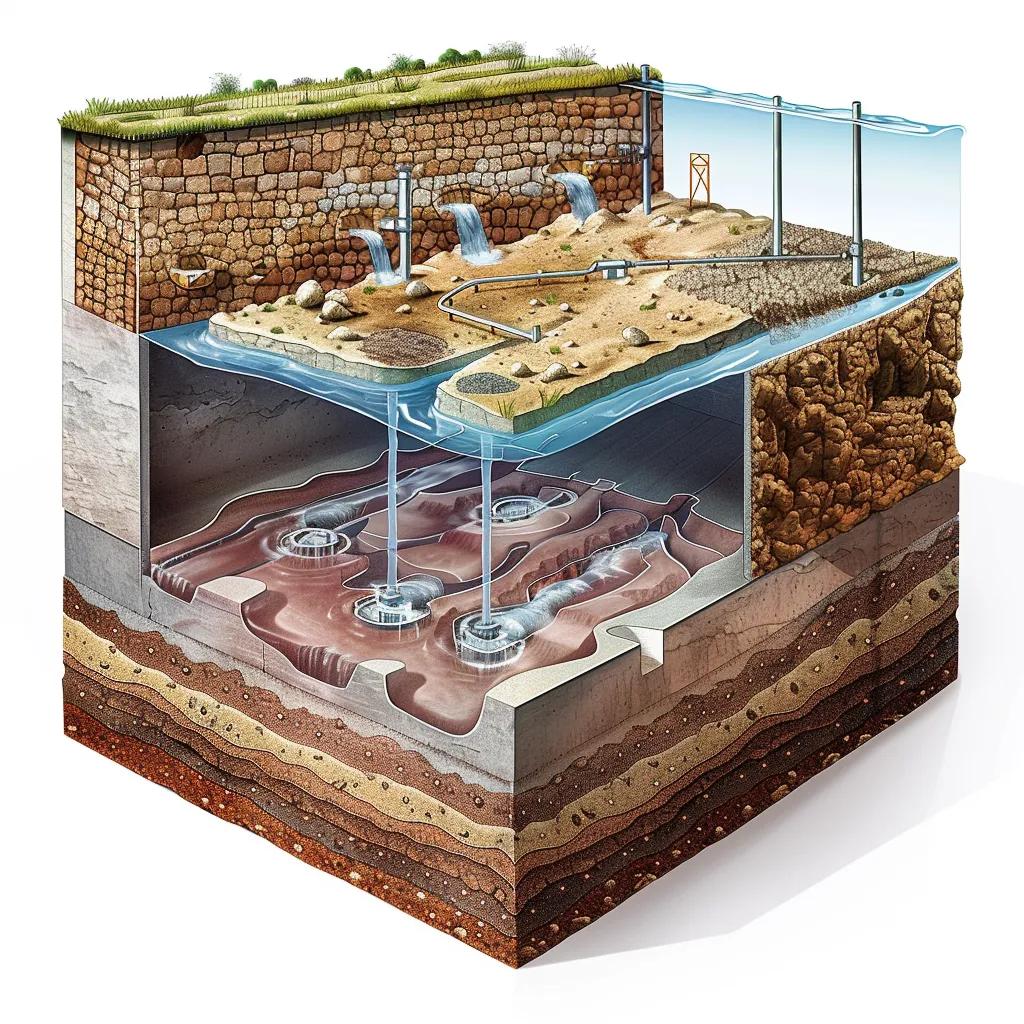
Hydrostatic pressure is the sideways and upward force groundwater exerts when soil becomes saturated. Wilmington’s clay-rich soils hold moisture and drain slowly, so pressure builds faster and stays high longer after storms. Because clay limits vertical drainage, rain and groundwater linger near foundations instead of moving away—this sustained pressure can force water through hairline cracks and seams, creating persistent dampness or active leaks. The practical solution is to divert that subsurface water away from the foundation with proper drainage and membranes so the pressure is relieved and the structure can stay dry.
That’s why systems like French drains and interior drain tiles matter: they remove the water creating the pressure, which stops the main driver behind most basement leaks.
What Role Do Foundation Cracks and Leaks Play in Basement Flooding?
Cracks in foundation walls and slabs provide direct paths for groundwater and runoff to enter the basement. They range from cosmetic hairline shrinkage to structural stair-step or wide cracks caused by settlement or soil movement; the crack type determines urgency and repair method. Quick patches with hydraulic cement or sealants may curb immediate leaking, but recurring or widening cracks need professional evaluation to address the root cause. Early detection—and knowing whether a crack is cosmetic or structural—helps homeowners choose between do-it-yourself sealing and more extensive foundation stabilization.
Repairing cracks reduces water entry and protects structural integrity. For Wilmington homes, combined fixes—like crack injection paired with interior drainage—often deliver the most reliable, long-term results.
How Do Sump Pump Failures and Drainage Problems Lead to Flooding?
Sump pumps and interior drainage systems remove water collected near the foundation. When they fail—because of power loss, mechanical wear, clogged discharge lines, or undersized equipment—water has nowhere to go and can flood lower levels. Storms often bring power outages, so battery backups and routine tests are critical to keep pumps working when you need them most. Misrouted, frozen, or blocked discharge lines can also send water back toward the house, undoing the pump’s work. Correct pump sizing, regular inspections, and backup systems significantly reduce pump-related flood risk.
Planned maintenance and redundancy create a dependable safety net that complements grading and drainage corrections to keep basements dry.
Why Are Poor Grading and Neglected Gutters a Flood Risk in Wilmington?
Surface-water control is your first line of defense. If the ground slopes toward the house or gutters overflow, stormwater soaks the soil next to the foundation and raises hydrostatic pressure. In Wilmington, aim for a slope that drops away from the foundation (roughly 4–6 inches over the first 10 feet) and make sure downspouts carry water several feet away from the house. Leaves and debris in gutters cause overflow that saturates soil near footings, and repeated soaking compounds the problem. Simple fixes—regrading near eaves, adding downspout extensions, and seasonal gutter cleaning—cut the workload for below-grade drainage systems and are often the most cost-effective preventive steps.
Tackling grading and gutters first sets the stage for more advanced exterior or interior solutions when needed.
What Are the Most Effective Exterior Basement Waterproofing Methods in Wilmington DE?
Exterior waterproofing stops water before it reaches the foundation wall, lowering hydrostatic pressure and preventing seepage. For Wilmington’s clay soils and higher water table, exterior approaches are often the most durable. Typical tactics include installing French drains to collect subsurface water, applying waterproof membranes to block moisture at the wall, and regrading plus downspout extensions to manage surface runoff. The best mix depends on site constraints, soil conditions, and whether interior finishes allow excavation—exterior work targets the source of water rather than just treating symptoms.
Use the comparison below to weigh options for Wilmington properties.
Exterior methods differ in cost, installation time, and suitability for clay soils; matching the method to the site delivers better outcomes.
Exterior drains and membranes work together: membranes block water at the wall while drains remove the water creating pressure. For Wilmington homes on clay, a French drain paired with a durable exterior membrane is often the most reliable long-term defense.
How Does French Drain Installation Prevent Basement Flooding?
A French drain intercepts subsurface water and carries it away from the foundation before it can build pressure against walls and floors. Installation usually requires digging alongside the foundation, placing a perforated pipe on a gravel bed, wrapping the assembly in filter fabric to limit clogging, and restoring proper slope when backfilling. In clay soils that slow vertical drainage, a French drain lowers the local water table next to the foundation and reduces the force pushing water through cracks. Maintenance is minimal—periodic checks of outlets and cleanouts—and a well-built French drain can last for decades.
Because it targets the water source, a French drain is a core element of exterior waterproofing strategies in Wilmington’s soil and rainfall conditions.
What Exterior Waterproofing Membranes Are Best for Wilmington Homes?
Exterior membranes form a continuous barrier between masonry and saturated soil, preventing moisture migration into basement spaces. Common options include bituminous coatings, rubberized asphalt, and polymer sheet membranes. Bituminous coatings stick and self-seal well on vertical surfaces; rubberized and polymer sheets offer flexibility and puncture resistance for minor movement. In Wilmington it’s important to choose membranes that resist root intrusion and to pair them with drainage so water isn’t trapped against the wall. Combining a membrane with a French drain or footing drain provides both a sealed surface and pressure relief, which is ideal in clay soils and areas with high water tables.
Pick systems installers can inspect and integrate with below-grade drains to avoid creating sealed pockets of pressure.
How Do Proper Grading and Downspout Extensions Protect Your Basement?
Grading and downspout management reduce how much surface water reaches foundation walls and lessen the burden on subsurface systems. A steady slope away from the house channels runoff into yards or storm drains; downspout extensions that discharge water several feet from the foundation prevent concentrated saturation near footings. Simple DIY checks—measure slope, watch where water pools after rain, and confirm downspout discharge distance—help you decide between a minor regrade or professional help. Where regrading isn’t practical, splash blocks, gravel swales, or routed extensions provide budget-friendly alternatives to keep runoff moving away from vulnerable areas.
Surface-water controls are the essential first step and work best when paired with exterior drainage or interior systems for remaining subsurface flow.
Which Interior Basement Waterproofing Systems Help Prevent Flooding?
Interior systems collect water that reaches the foundation and remove it from the home, making them a practical retrofit option or a solution when exterior excavation isn’t possible. Common interior measures include perimeter drain tile that channels seepage to a sump basin, high-capacity sump pumps with battery backups, wall and floor sealants for minor leaks, and environmental controls like dehumidifiers and crawl space encapsulation to limit moisture damage. These systems treat the symptoms by preventing water accumulation inside finished spaces and controlling humidity and mold—often working best alongside exterior fixes for a complete approach.
The table below maps common interior systems to their components and key benefits.
Interior solutions combine mechanical removal, sealing, and humidity control to keep basements dry and usable.
These components work together: drainage captures water, pumps remove it, sealants reduce ingress, and environmental controls limit secondary damage.
WDM Basement Waterproofing provides interior systems that integrate perimeter drain tile with correctly sized sump pumps and recommends dehumidification where moisture persists. If you’re considering professional installation, WDM offers free estimates and flexible payment plans to help evaluate interior options and choose a retrofit path that fits both budget and performance goals.
How Do Interior Drainage Systems Work to Keep Basements Dry?
Interior drainage systems collect subsurface water that moves through or beneath the slab and direct it to a sump basin where a pump evacuates it from the property. Perforated drain tile set in gravel captures seepage around the perimeter or under the slab and routes it to the sump; a check valve and discharge piping then carry water away from the foundation. Interior drainage is often the preferred retrofit because it reduces the need for exterior excavation while still relieving local hydrostatic pressure. Though it doesn’t stop water from reaching the foundation, it prevents accumulation inside the basement and protects finished spaces and belongings.
Regular inspection of the sump basin, float switch, and discharge path helps ensure reliable operation during heavy inflow.
Why Is Sump Pump Installation with Battery Backup Essential in Wilmington?
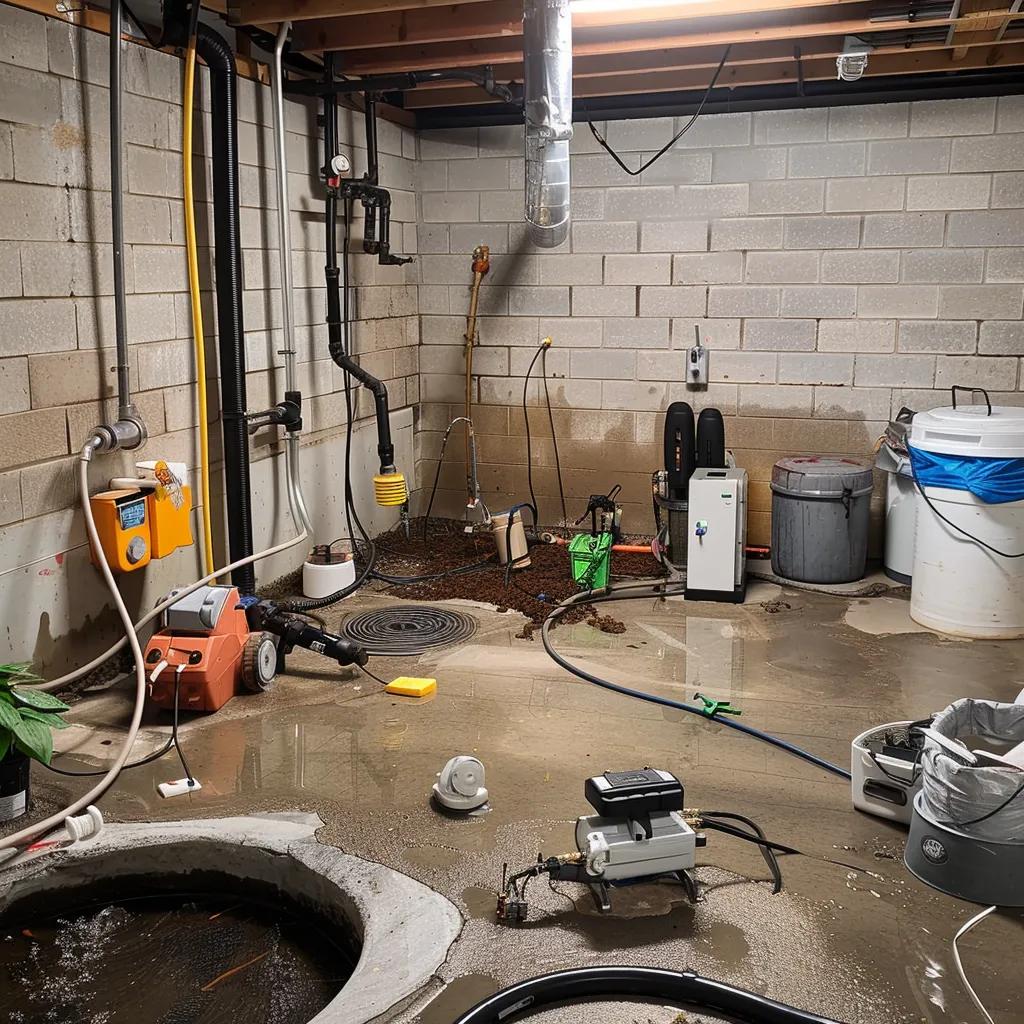
Battery-backed sump pumps are essential because heavy storms that overwhelm basements often coincide with power outages. A backup battery can keep the pump running for hours, preventing an overflow from becoming a full basement flood. Selecting the right system means matching expected inflow rates to pump horsepower and backup battery capacity, then testing monthly and servicing annually. Adding redundancy—like a secondary pump or generator-ready wiring—further lowers failure risk and gives homeowners time to repair or replace failed equipment.
A properly sized pump with reliable backup and a clear maintenance plan greatly reduces the chance of flood damage during critical storm events.
What Basement Wall Sealants and Crack Repair Options Are Available?
Options range from temporary surface patches to permanent injection repairs. Common materials include hydraulic cement for quick plugging, polyurethane for flexible waterproofing injections, and epoxy for structural bonding. Hairline and non-structural cracks often respond well to epoxy or polyurethane injection; cracks that reflect ongoing movement need a foundation specialist to evaluate underpinning or stabilization. Material choice depends on crack width, movement, and whether water is actively flowing. Pairing injections with interior drainage usually gives better long-term performance by eliminating the driving water pressure.
Addressing cracks promptly reduces moisture entry and prevents progressive foundation deterioration.
How Do Dehumidification and Crawl Space Encapsulation Improve Basement Conditions?
Dehumidification and crawl space encapsulation control moisture and indoor air quality by lowering relative humidity, stopping mold growth, and slowing material decay. Encapsulation installs a continuous vapor barrier on crawl space floors and walls, seals vents, and often pairs with a conditioned dehumidifier sized for the space. This converts a damp, unconditioned crawl into a controlled area that reduces vapor drive into living spaces and foundations. Properly sized dehumidifiers typically hold relative humidity below 50%, cutting condensation on cold surfaces and preventing musty odors. These measures complement drainage and sealing work and are especially useful in Wilmington, where seasonal humidity and soil moisture can drive persistent dampness.
Keeping the encapsulation intact and servicing the dehumidifier periodically preserves moisture controls and extends the life of building materials.
How Can Wilmington Homeowners Identify Signs That Their Basement Is at Risk?
Spotting early warning signs lets homeowners act before small problems become costly floods. Look for visual staining, unusual odors, and physical changes—these cues often precede major water entry. Simple diagnostics include checking for efflorescence (white powder) on masonry, water stains on walls and floors, peeling paint, warped trim, and persistent musty smells that suggest elevated humidity or hidden mold. Performing a basic moisture audit—visual checks, touch tests, and handheld moisture meters—identifies problem zones and helps prioritize repairs. If you see structural movement or repeated dampness, call a professional quickly—early intervention preserves habitability and property value.
Use this practical checklist to detect and triage basement risk.
- Inspect walls and floors for water stains, discoloration, and efflorescence after heavy rain.
- Notice musty smells or increased allergy symptoms that may indicate mold growth.
- Check the sump basin and test the pump monthly to ensure it’s ready when needed.
- Watch for cracked mortar, stair-step wall cracks, or bowed walls that suggest structural issues.
Following these steps helps you catch problems early and decide whether a DIY fix or a professional assessment is the right move.
What Are the Warning Signs of Basement Flooding and Moisture Problems?
Warning signs usually start small: water stains near the floor, efflorescence indicating repeated moisture penetration, peeling paint, and a persistent musty odor that signals high humidity or mold. Flooring may cup, stain, or rot; stored items can develop mildew. Catching these symptoms early allows you to dry and clean affected areas, find the moisture source, and stop mold before it spreads. Photographing and timestamping observations after storms creates a useful record for pros diagnosing recurring issues.
When you see these indicators, act quickly to dry the area, run dehumidifiers, and schedule a targeted inspection to limit damage and guide remediation.
How Can You Detect Foundation Leaks and Structural Issues Early?
Detect leaks and movement through visual checks, moisture meters, and simple geometry tests: look for stair-step cracks in brick, separation at wall-to-floor joints, bowing or bulging walls, and doors or windows that stick—these signs suggest structural shift. Professionals use moisture meters and infrared imaging to find hidden wet areas; homeowners can use a handheld moisture meter for spot checks after rain. If multiple signs—worsening cracks, repeated leaks, or wall bowing—show up, arrange a professional diagnostic to learn whether repairs can be localized or need structural stabilization. Early detection preserves repair options and lowers overall cost.
Escalating promptly based on these checks reduces water exposure time and prevents secondary damage like mold or rot.
Why Choose WDM Basement Waterproofing for Flood Prevention in Wilmington DE?
WDM Basement Waterproofing combines licensed, insured workmanship with local Wilmington know-how to create prevention plans tailored to regional soils and water-table challenges. We take an inspection-first approach to identify hydrostatic drivers, structural vulnerabilities, and the right mechanical systems before recommending work. Our services include crack repair, foundation stabilization, crawl space encapsulation, sump pump installation, and French drain installation—so homeowners get solutions matched to site conditions and long-term performance goals. Free estimates and flexible payment plans help you evaluate options and move forward without unexpected costs.
What Makes WDM’s Local Expertise and Proven Process Unique?
WDM starts with a detailed inspection that maps soil behavior, drainage patterns, and structural conditions, then recommends solutions that fit Wilmington’s clay soils and flood risks. Our inspection-first method ensures we address root causes—whether that’s exterior excavation with membrane and French drain, interior drain tile with sump and backup, or crawl space encapsulation—rather than just treating symptoms. Local experience guides material choices and installation sequencing to minimize rework and maximize longevity. We focus on clear proposals, transparent pricing, and craftsmanship so homeowners understand each step and the expected results.
This targeted process avoids unnecessary work and directs investment toward measures that demonstrably reduce flood risk.
How Do Free Estimates and Flexible Financing Support Wilmington Homeowners?
Free estimates give homeowners a no-cost assessment that documents observed issues, recommended solutions, and ballpark costs—helping prioritize work and compare options before committing. Flexible financing removes upfront barriers for larger jobs, letting homeowners implement full solutions like exterior drainage or foundation stabilization when delays would raise costs and risk. WDM’s free estimate includes inspection notes and suggested pathways; if financing interests you, discuss options during the estimate so you understand terms without pressure.
Clear cost planning and financing make it more likely homeowners will choose long-term, effective waterproofing instead of short-term patches.
What Are the Best Preventative Maintenance Tips to Avoid Basement Flooding in Wilmington?
Regular maintenance lowers flood risk by keeping surface and mechanical systems working and by fixing small issues before they grow. Seasonal essentials include gutter cleaning, checking downspouts and extensions, testing the sump pump, and checking grading after big storms to make sure slopes are still effective. Homeowners should also monitor interior humidity, watch for new cracks or movement, and maintain any drainage cleanouts or access points. Pair routine homeowner checks with scheduled professional inspections to cover both immediate defenses and hidden vulnerabilities over time.
The simple maintenance schedule below shows how often to act and the impact each task has on flood risk.
Keep these tasks on an annual calendar to reduce water intrusion chances and extend the life of your waterproofing systems.
Staying on top of these tasks reduces both chronic dampness and the risk of acute flooding, protecting finished spaces and stored items.
If routine checks reveal recurring seepage, frequent sump cycling, or structural signs, it’s time to move from temporary fixes to professional waterproofing or repairs. A professional inspection after following this maintenance schedule delivers durable solutions and a clear priority list.
Request a free estimate when maintenance or recurring signs point to persistent water intrusion. WDM Basement Waterproofing will assess issues and recommend a balanced mix of interior and exterior solutions, plus flexible payment options to help you implement long-term protection.
WDM’s process begins with a detailed inspection and ends with a prioritized plan to protect your home—contact WDM Basement Waterproofing for a no-cost estimate and to discuss flexible financing for recommended work.
Wilmington DE Waterways and Sewer Systems Impact
The city of Wilmington, Delaware, sits along the Brandywine Creek and the Christina River and is influenced by tides from the Delaware Bay. Much of the city is served by a combined sewer system that conveys wastewater through interceptors and river-crossing siphons to main pump stations, then by gravity toward the treatment plant. Ground elevations in the southern section of the city sit below sea level in places. A combined sewer overflow (CSO) outfall at the Christina siphon handles wastewater from Interceptors DW&D serving South Wilmington; its performance depends on conditions elsewhere in the city network and can affect local hydraulic behavior and flood risk.
… the Interrelated Risks of Corrosion and Hydraulic Transients in Three Large Diameter Ductile Iron Force Mains Conveying High Temperature, High [H [sub] 2 [/sub] S] …, 2022
Frequently Asked Questions
What are the benefits of regular basement maintenance?
Regular basement maintenance prevents flooding and keeps your home healthier. Simple tasks—cleaning gutters, checking sump pumps, and inspecting for cracks—catch issues early before they escalate. These actions reduce hydrostatic pressure on the foundation, improve drainage, and extend the life of waterproofing systems. They also curb excess humidity and mold growth, protecting both the structure and your family’s indoor air quality.
How can I tell if my sump pump is functioning properly?
Test your sump pump monthly by pouring water into the basin; the pump should activate and discharge the water. Check the power connection and battery backup, listen for unusual sounds or vibrations, and inspect discharge lines for clogs or freezing. Regular cleaning and annual professional service keep the pump reliable during heavy rain events.
What should I do if I notice water stains in my basement?
If you find water stains, act quickly. First, try to identify the source—leaks, condensation, or hydrostatic pressure—by inspecting walls, floors, and visible cracks. Take immediate steps like sealing small cracks, improving surface drainage, and running a dehumidifier. If staining continues or the cause isn’t clear, contact a professional for a thorough diagnosis and a long-term repair plan.
Are there specific waterproofing solutions for clay soil?
Yes. Clay soil holds water and drains slowly, so effective strategies include French drains to redirect subsurface water, exterior membranes to block moisture at the wall, and proper grading to manage surface runoff. Sump pumps with battery backups also help manage sudden inflows. The best approach is tailored to your property’s conditions for reliable, long-term protection.
How often should I inspect my basement for signs of moisture?
Inspect your basement at least quarterly and always after heavy rain or rapid snowmelt. Look for water stains, efflorescence, peeling paint, and musty odors. Using a hygrometer to track humidity adds useful data. Regular checks help catch problems early so repairs are simpler and less expensive.
What are the advantages of hiring a professional for basement waterproofing?
Professionals identify root causes, recommend appropriate systems, and install solutions correctly. They bring tools and experience for structural evaluation and soil assessment, and many offer warranties that protect your investment. Hiring a pro saves time, reduces risk, and increases the odds of a durable waterproofing outcome.
Conclusion
Preventing basement flooding in Wilmington, DE protects your home and its value. By understanding local causes and choosing the right waterproofing and maintenance steps, homeowners can cut the risk of water damage and mold. Start with a no-cost estimate from WDM Basement Waterproofing to explore tailored solutions for your property. Invest in effective protection now and enjoy a drier, safer home for years to come.